
Einführung
Weltweit zeigt sich ein Anstieg komplexer perkutaner Koronarinterventionen (PCI). Viele der behandelten Patienten weisen sehr ungünstige kardiovaskuläre Risikokonstellationen auf, welche neben der anatomischen Komplexität der Koronarläsionen, gesondert betrachtet werden müssen.
Bei einigen dieser Patienten steigt dementsprechend die Gefahr für hämodynamische Instabilitäten während und nach der PCI. Für diese Hochrisikopatienten besteht häufig ein relevanter klinischer Nutzen, welcher allerdings im Einzelfall gegen das periinterventionelle Risiko abgewogen werden muss. Daher spielen Systeme zur Herzkreislaufunterstützung eine zunehmende Rolle. In der Webinar Serie – Complex Skills in Protected PCI – fokussieren wir uns insbesondere auf den Stellenwert des linksventrikulären Unterstützungssystems IMPELLA.
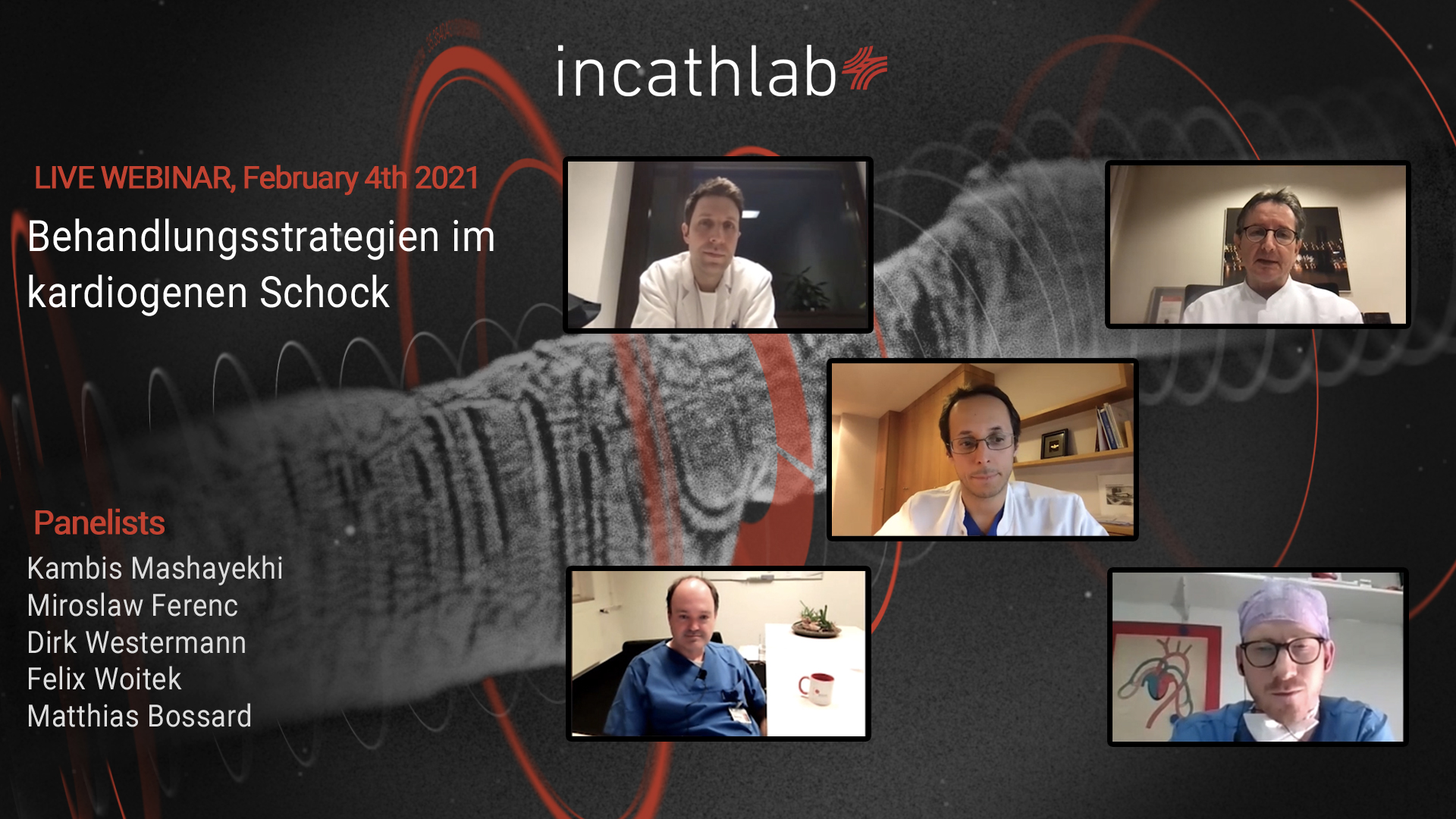
Themenschwerpunkte:
-
Teil 2: Patientenmanagement und Risikoreduktion während einer „Protected PCI“
-
Teil 3: Behandlungsstrategien beim kardiogenen Schock
Program
|
18:00
|
Einführung
PD Dr. Mashayekhi/PD Dr. Ferenc |
|
| 18:05 |
Myokardrevaskularisation im kardiogenen Schock mit Impella Dr. Woitek |
|
| 18:15 | Q&A | |
| 18:20 |
Fallbeispiel
Dr. Bossard |
|
|
18:35
|
Q&A
|
|
| 18:40 |
VA-ECMO: Impella oder beides?
Prof. Dr. Westermann |
|
|
18:55
|
Fallbeispiel
Dr. Woitek |
|
|
19:00
|
Q&A
|
|
|
19:15
|
Zusammenfassung
|
Lernziele und Zielgruppe:
Während der Webinare erfolgt ein Wissensaustausch zwischen interventionell erfahrenen Kardiolog*innen, welche im Alltag mit der Problematik einer komplexen PCI konfrontiert sind und Expert*innen auf dem Gebiet der „Protected PCI“. Dabei werden den Teilnehmer*innen viele Tipps und Tricks zur erfolgreichen Anwendung einer „Protected PCI“ vermittelt.
Last update : 2021-03-03


Suggestions
San Francisco : Thursday, March 27th 2025 from 11pm to 01pm (GMT+1)
New York : Friday, March 28th 2025 from 02am to 04pm (GMT+1)
Buenos Aires : Friday, March 28th 2025 from 04am to 06pm (GMT+1)
London / Dublin : Friday, March 28th 2025 from 07am to 09pm (GMT+1)
Paris / Berlin : Friday, March 28th 2025 from 08am to 10pm (GMT+1)
Istanbul : Friday, March 28th 2025 from 09am to 11pm (GMT+1)
Moscou / Dubaï : Friday, March 28th 2025 from 11am to 01am (GMT+1)
Bangkok : Friday, March 28th 2025 from 02pm to 04am (GMT+1)
Shanghai : Friday, March 28th 2025 from 03pm to 05am (GMT+1)
Tokyo : Friday, March 28th 2025 from 04pm to 06am (GMT+1)
Sydney : Friday, March 28th 2025 from 05pm to 07am (GMT+1)
Wellington : Friday, March 28th 2025 from 07pm to 09am (GMT+1)
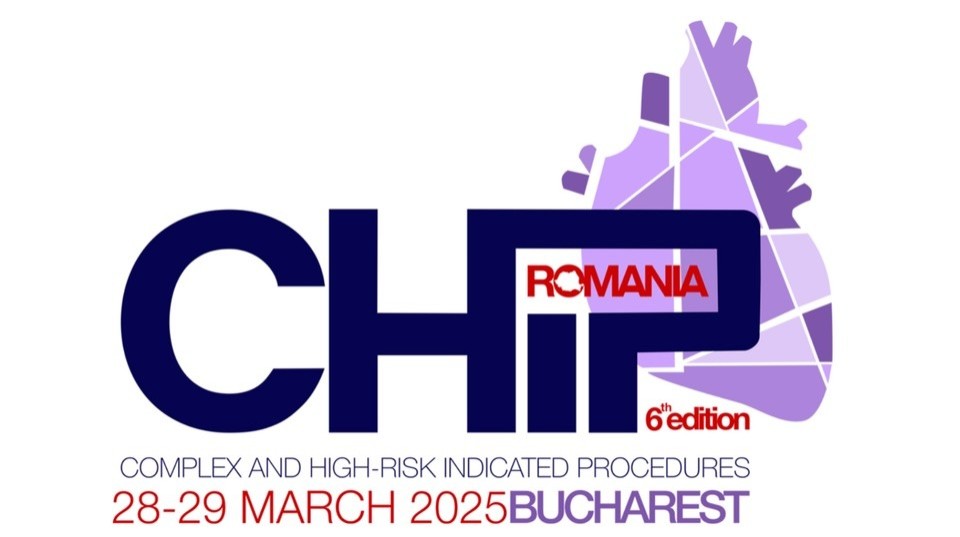
Complex & High-Risk Indicated Procedures
Discover the 6th edition - Day #1
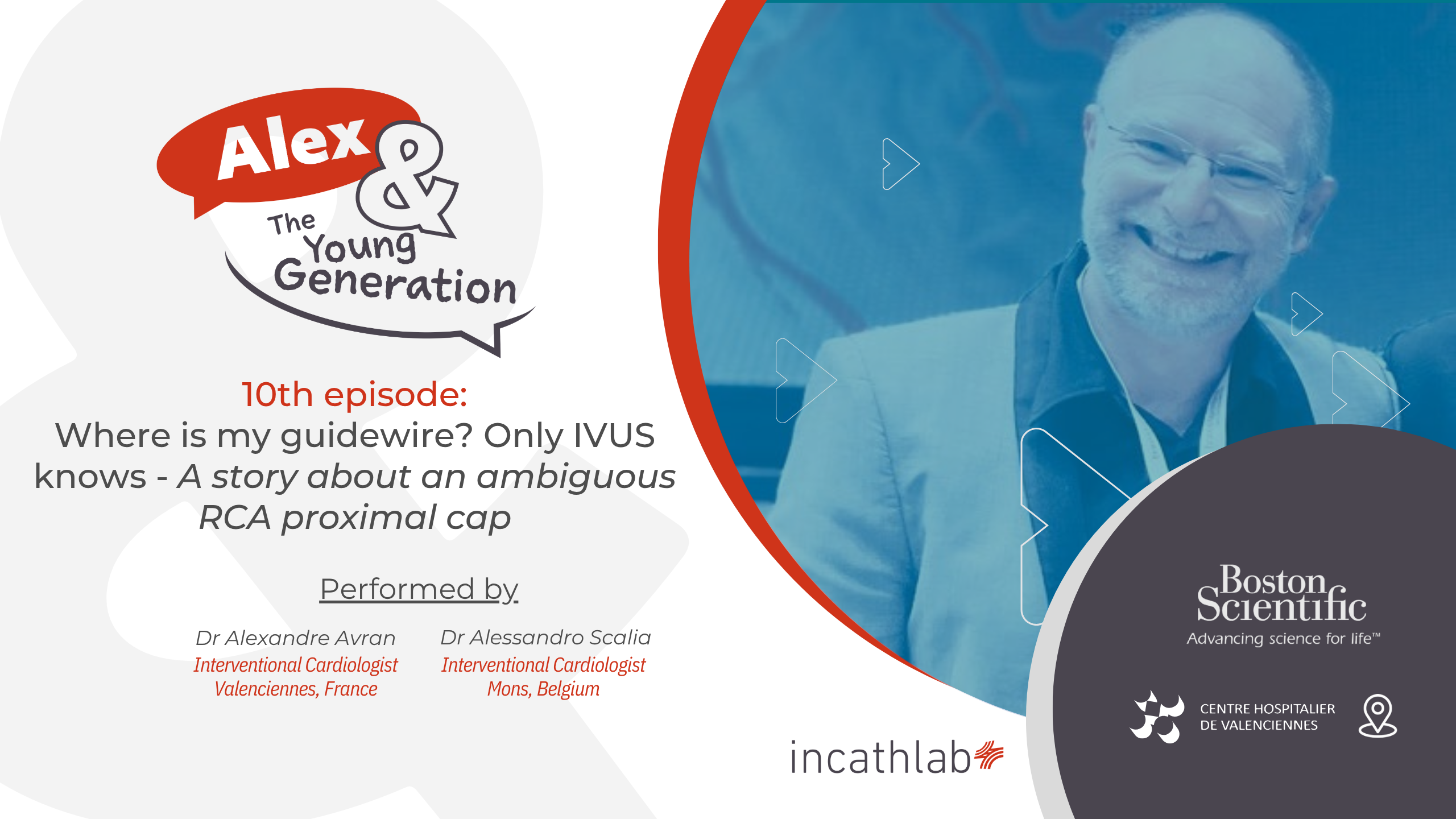
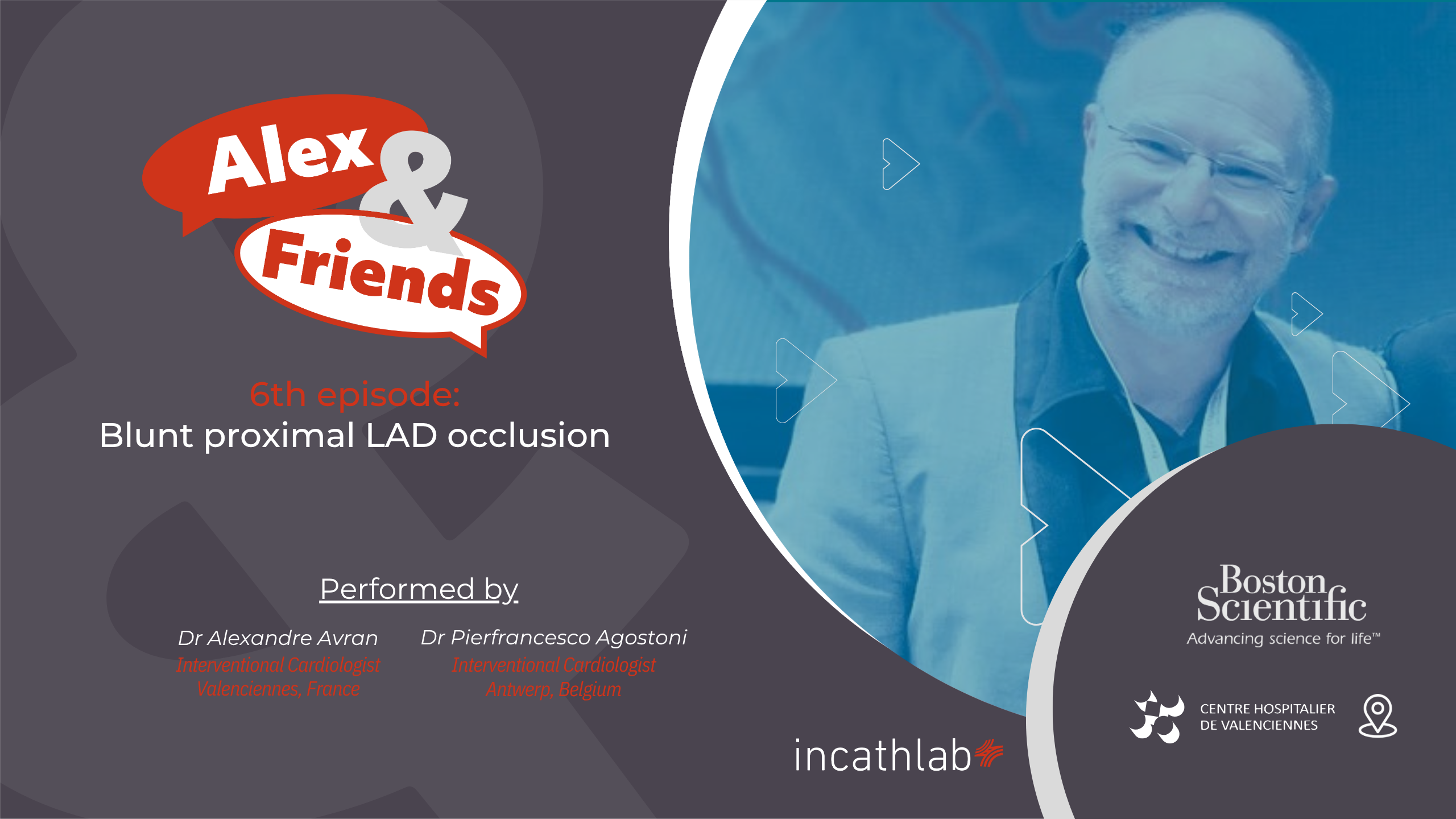
Where is my guidewire? Only IVUS knows - A story about an ambiguous RCA proximal cap
Alex & The Young Generation - Ep.10
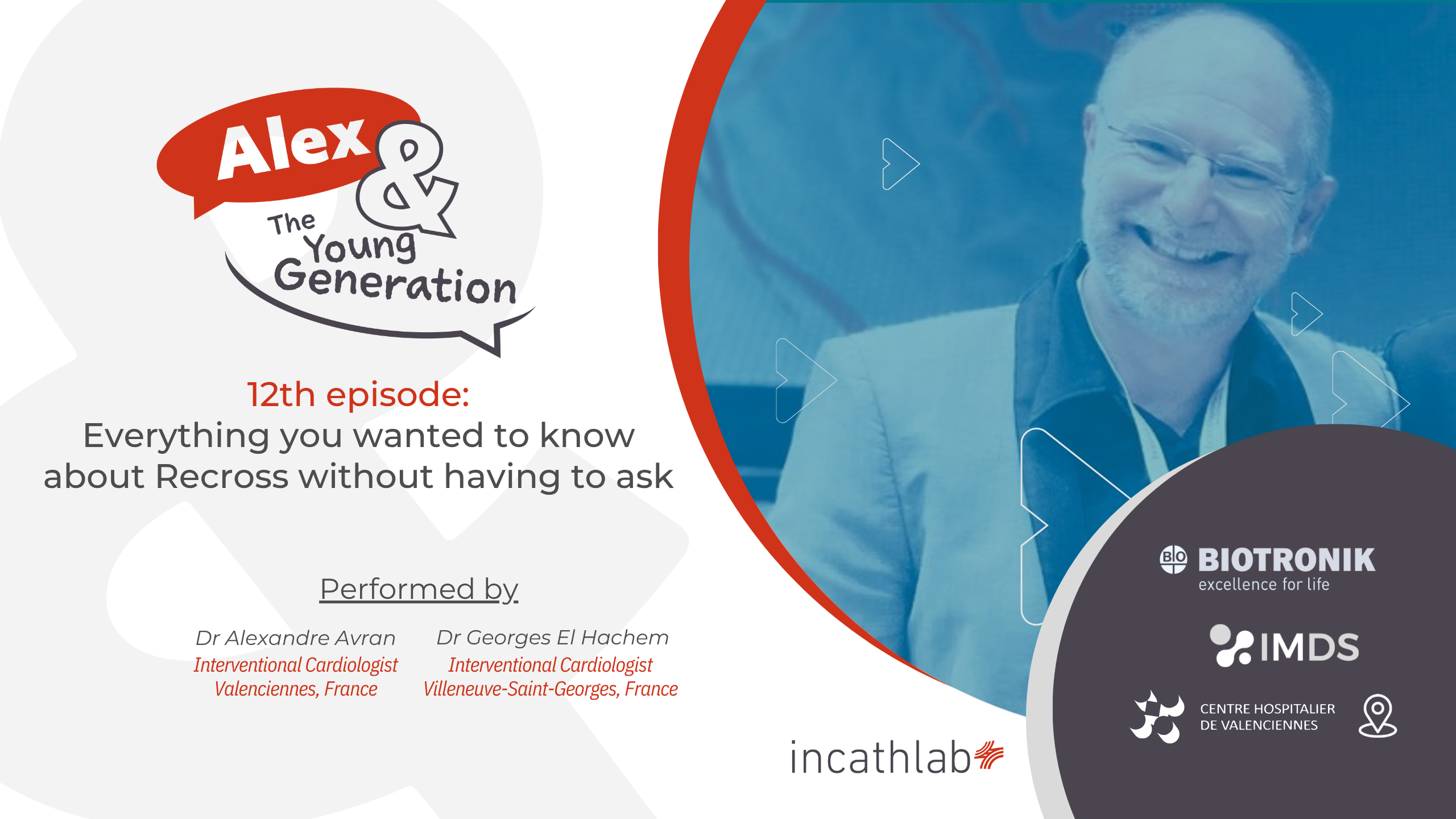
Everything you wanted to know about Recross without having to ask
Alex & The Young Generation - Ep.12
San Francisco : Wednesday, May 22nd 2024 from 07am to 08am (GMT+2)
New York : Wednesday, May 22nd 2024 from 10am to 11am (GMT+2)
Buenos Aires : Wednesday, May 22nd 2024 from 11am to 12pm (GMT+2)
Reykjavik : Wednesday, May 22nd 2024 from 02pm to 03pm (GMT+2)
London / Dublin : Wednesday, May 22nd 2024 from 03pm to 04pm (GMT+2)
Paris / Berlin : Wednesday, May 22nd 2024 from 04pm to 05pm (GMT+2)
Istanbul : Wednesday, May 22nd 2024 from 05pm to 06pm (GMT+2)
Moscou / Dubaï : Wednesday, May 22nd 2024 from 06pm to 07pm (GMT+2)
Bangkok : Wednesday, May 22nd 2024 from 09pm to 10pm (GMT+2)
Shanghai : Wednesday, May 22nd 2024 from 10pm to 11pm (GMT+2)
Tokyo : Wednesday, May 22nd 2024 from 11pm to 12am (GMT+2)
Sydney : Thursday, May 23rd 2024 from 01am to 02am (GMT+2)
Wellington : Thursday, May 23rd 2024 from 03am to 04am (GMT+2)
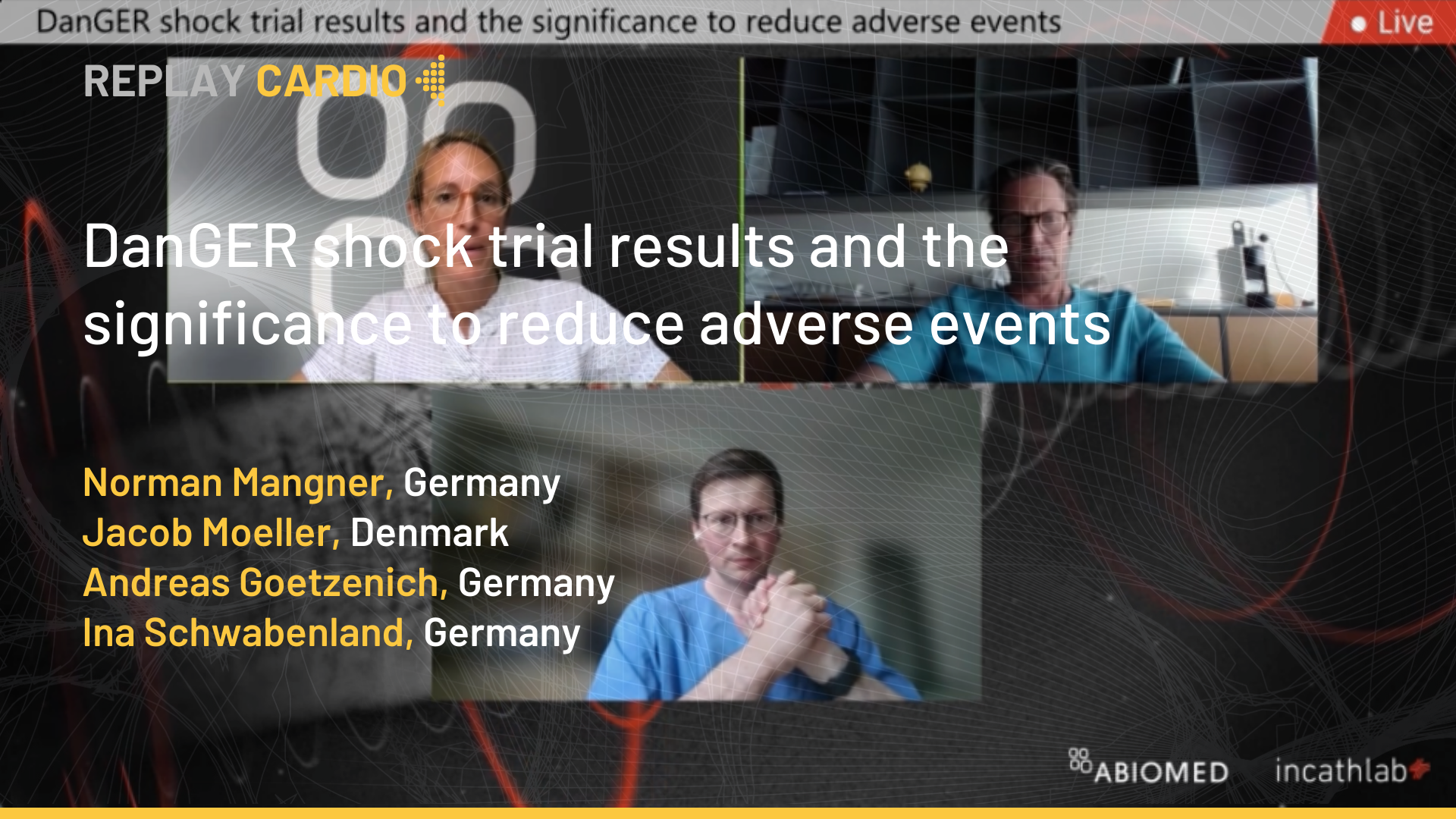
DanGER shock trial results and the significance to reduce adverse events


San Francisco : Wednesday, October 4th 2023 from 10am to 10:45am (GMT+2)
New York : Wednesday, October 4th 2023 from 01pm to 01:45pm (GMT+2)
Buenos Aires : Wednesday, October 4th 2023 from 02pm to 02:45pm (GMT+2)
Reykjavik : Wednesday, October 4th 2023 from 05pm to 05:45pm (GMT+2)
London / Dublin : Wednesday, October 4th 2023 from 06pm to 06:45pm (GMT+2)
Paris / Berlin : Wednesday, October 4th 2023 from 07pm to 07:45pm (GMT+2)
Istanbul : Wednesday, October 4th 2023 from 08pm to 08:45pm (GMT+2)
Moscou / Dubaï : Wednesday, October 4th 2023 from 09pm to 09:45pm (GMT+2)
Bangkok : Thursday, October 5th 2023 from 12am to 12:45am (GMT+2)
Shanghai : Thursday, October 5th 2023 from 01am to 01:45am (GMT+2)
Tokyo : Thursday, October 5th 2023 from 02am to 02:45am (GMT+2)
Sydney : Thursday, October 5th 2023 from 04am to 04:45am (GMT+2)
Wellington : Thursday, October 5th 2023 from 06am to 06:45am (GMT+2)
Guides de 1ère intention :
algorithme décisionnel de la lésion simple à la lésion complexe

San Francisco : Friday, May 29th 2026 from 09:30am to 10:15am (GMT+2)
New York : Friday, May 29th 2026 from 12:30pm to 01:15pm (GMT+2)
Buenos Aires : Friday, May 29th 2026 from 01:30pm to 02:15pm (GMT+2)
Reykjavik : Friday, May 29th 2026 from 04:30pm to 05:15pm (GMT+2)
London / Dublin : Friday, May 29th 2026 from 05:30pm to 06:15pm (GMT+2)
Paris / Berlin : Friday, May 29th 2026 from 06:30pm to 07:15pm (GMT+2)
Istanbul : Friday, May 29th 2026 from 07:30pm to 08:15pm (GMT+2)
Moscou / Dubaï : Friday, May 29th 2026 from 08:30pm to 09:15pm (GMT+2)
Bangkok : Friday, May 29th 2026 from 11:30pm to 12:15am (GMT+2)
Shanghai : Saturday, May 30th 2026 from 12:30am to 01:15am (GMT+2)
Tokyo : Saturday, May 30th 2026 from 01:30am to 02:15am (GMT+2)
Sydney : Saturday, May 30th 2026 from 03:30am to 04:15am (GMT+2)
Wellington : Saturday, May 30th 2026 from 05:30am to 06:15am (GMT+2)
Déremboursement en France : évolutions médico‑économiques

San Francisco : Friday, November 10th 2023 from 05:30pm to 08pm (GMT+1)
New York : Friday, November 10th 2023 from 08:30pm to 11pm (GMT+1)
Buenos Aires : Friday, November 10th 2023 from 10:30pm to 01am (GMT+1)
London / Dublin : Saturday, November 11th 2023 from 01:30am to 04am (GMT+1)
Paris / Berlin : Saturday, November 11th 2023 from 02:30am to 05am (GMT+1)
Istanbul : Saturday, November 11th 2023 from 03:30am to 06am (GMT+1)
Moscou / Dubaï : Saturday, November 11th 2023 from 05:30am to 08am (GMT+1)
Bangkok : Saturday, November 11th 2023 from 08:30am to 11am (GMT+1)
Shanghai : Saturday, November 11th 2023 from 09:30am to 12pm (GMT+1)
Tokyo : Saturday, November 11th 2023 from 10:30am to 01pm (GMT+1)
Sydney : Saturday, November 11th 2023 from 11:30am to 02pm (GMT+1)
Wellington : Saturday, November 11th 2023 from 01:30pm to 04pm (GMT+1)