×
It looks like you're using an obsolete version of internet explorer. Internet explorer is no longer supported by Microsoft since the end of 2015. We invite you to use a newer browser such as Firefox, Google Chrome or Microsoft Edge.
My Player placeholder

Become an Incathlab member and receive full access to its content!

You must be an Incathlab member to access videos without any restrictions. Register for free in one minute and access all services provided by Incathlab.You will also be able to log into Incathlab from your Facebook or twitter account by clicking on login on the top-right corner of Incathlab website.
Registration Login
Registration Login
117139 views
6F Radial Long Sheath 80 cm Catheter (TERUMO)
Genesis Stent (Cordis J&J)
Shooting date : 2006-03-29
Last update : 2021-06-08
Last update : 2021-06-08

Join the Discussion
Suggestions
Monday, February 10th 2025 from 05pm to 06pm (GMT+1)
Honolulu : Monday, February 10th 2025 from 06am to 07am (GMT+1)
San Francisco : Monday, February 10th 2025 from 08am to 09am (GMT+1)
New York : Monday, February 10th 2025 from 11am to 12pm (GMT+1)
Buenos Aires : Monday, February 10th 2025 from 01pm to 02pm (GMT+1)
London / Dublin : Monday, February 10th 2025 from 04pm to 05pm (GMT+1)
Paris / Berlin : Monday, February 10th 2025 from 05pm to 06pm (GMT+1)
Istanbul : Monday, February 10th 2025 from 06pm to 07pm (GMT+1)
Moscou / Dubaï : Monday, February 10th 2025 from 08pm to 09pm (GMT+1)
Bangkok : Monday, February 10th 2025 from 11pm to 12am (GMT+1)
Shanghai : Tuesday, February 11th 2025 from 12am to 01am (GMT+1)
Tokyo : Tuesday, February 11th 2025 from 01am to 02am (GMT+1)
Sydney : Tuesday, February 11th 2025 from 02am to 03am (GMT+1)
Wellington : Tuesday, February 11th 2025 from 04am to 05am (GMT+1)
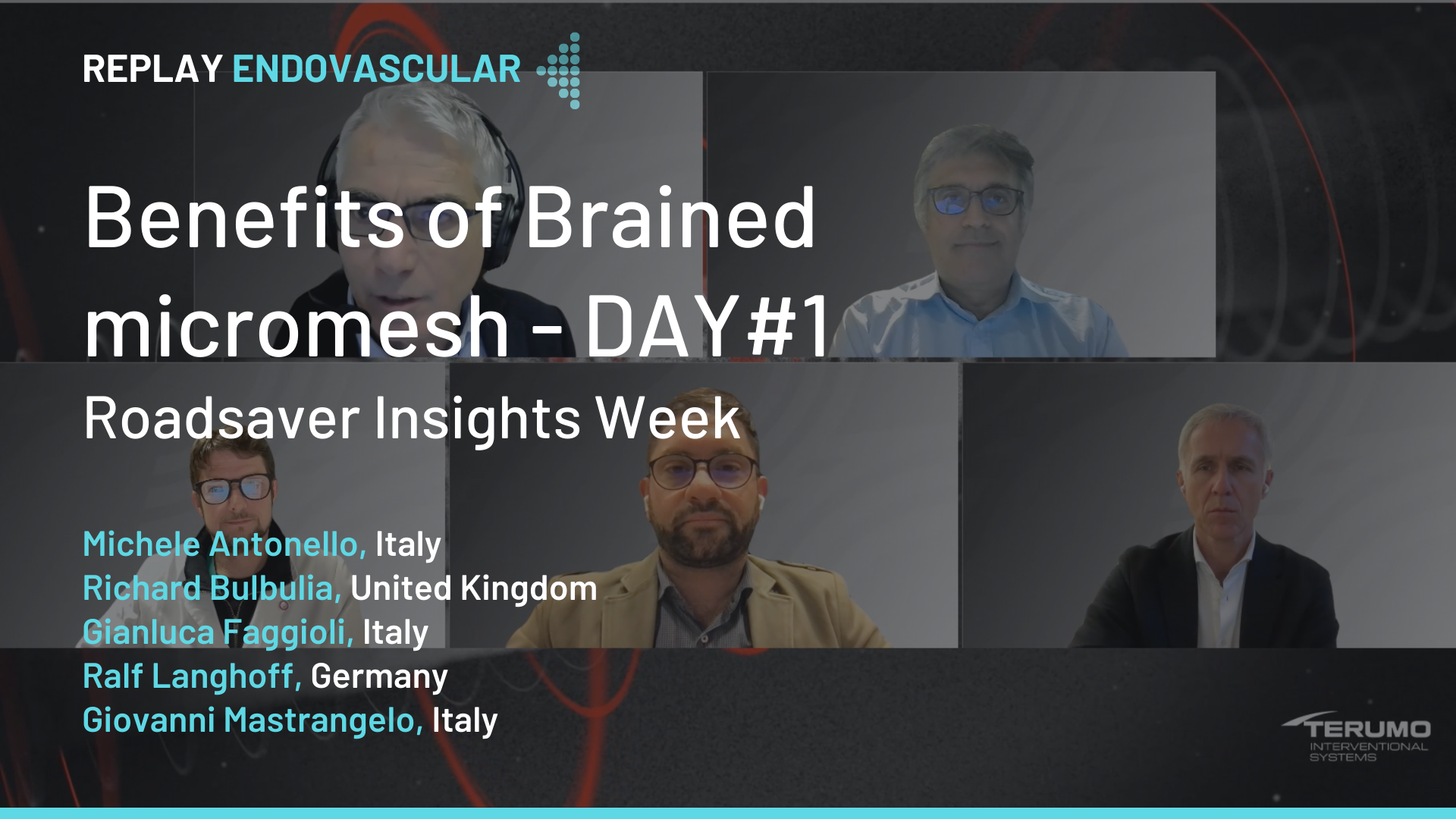
Benefits of braided micromesh
Roadsaver TM Insights Week: Celebrating a Decade of CAS Advances
Share
Tuesday, February 11th 2025 from 05pm to 06pm (GMT+1)
Honolulu : Tuesday, February 11th 2025 from 06am to 07am (GMT+1)
San Francisco : Tuesday, February 11th 2025 from 08am to 09am (GMT+1)
New York : Tuesday, February 11th 2025 from 11am to 12pm (GMT+1)
Buenos Aires : Tuesday, February 11th 2025 from 01pm to 02pm (GMT+1)
London / Dublin : Tuesday, February 11th 2025 from 04pm to 05pm (GMT+1)
Paris / Berlin : Tuesday, February 11th 2025 from 05pm to 06pm (GMT+1)
Istanbul : Tuesday, February 11th 2025 from 06pm to 07pm (GMT+1)
Moscou / Dubaï : Tuesday, February 11th 2025 from 08pm to 09pm (GMT+1)
Bangkok : Tuesday, February 11th 2025 from 11pm to 12am (GMT+1)
Shanghai : Wednesday, February 12th 2025 from 12am to 01am (GMT+1)
Tokyo : Wednesday, February 12th 2025 from 01am to 02am (GMT+1)
Sydney : Wednesday, February 12th 2025 from 02am to 03am (GMT+1)
Wellington : Wednesday, February 12th 2025 from 04am to 05am (GMT+1)
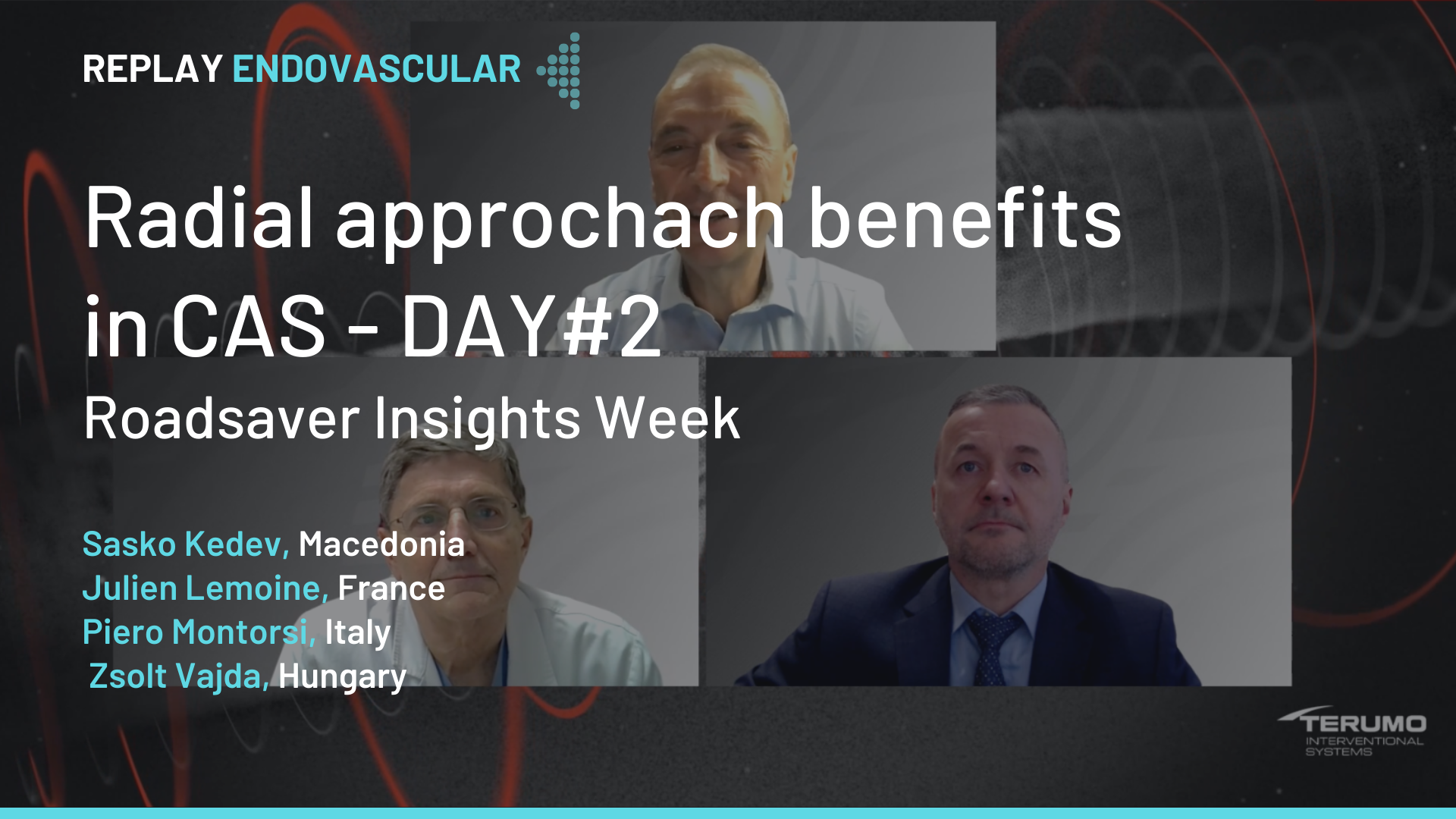
Radial approach benefits in CAS
Roadsaver TM Insights Week: Celebrating a Decade of CAS Advances
Share
Wednesday, February 12th 2025 from 05pm to 06pm (GMT+1)
Honolulu : Wednesday, February 12th 2025 from 06am to 07am (GMT+1)
San Francisco : Wednesday, February 12th 2025 from 08am to 09am (GMT+1)
New York : Wednesday, February 12th 2025 from 11am to 12pm (GMT+1)
Buenos Aires : Wednesday, February 12th 2025 from 01pm to 02pm (GMT+1)
London / Dublin : Wednesday, February 12th 2025 from 04pm to 05pm (GMT+1)
Paris / Berlin : Wednesday, February 12th 2025 from 05pm to 06pm (GMT+1)
Istanbul : Wednesday, February 12th 2025 from 06pm to 07pm (GMT+1)
Moscou / Dubaï : Wednesday, February 12th 2025 from 08pm to 09pm (GMT+1)
Bangkok : Wednesday, February 12th 2025 from 11pm to 12am (GMT+1)
Shanghai : Thursday, February 13th 2025 from 12am to 01am (GMT+1)
Tokyo : Thursday, February 13th 2025 from 01am to 02am (GMT+1)
Sydney : Thursday, February 13th 2025 from 02am to 03am (GMT+1)
Wellington : Thursday, February 13th 2025 from 04am to 05am (GMT+1)
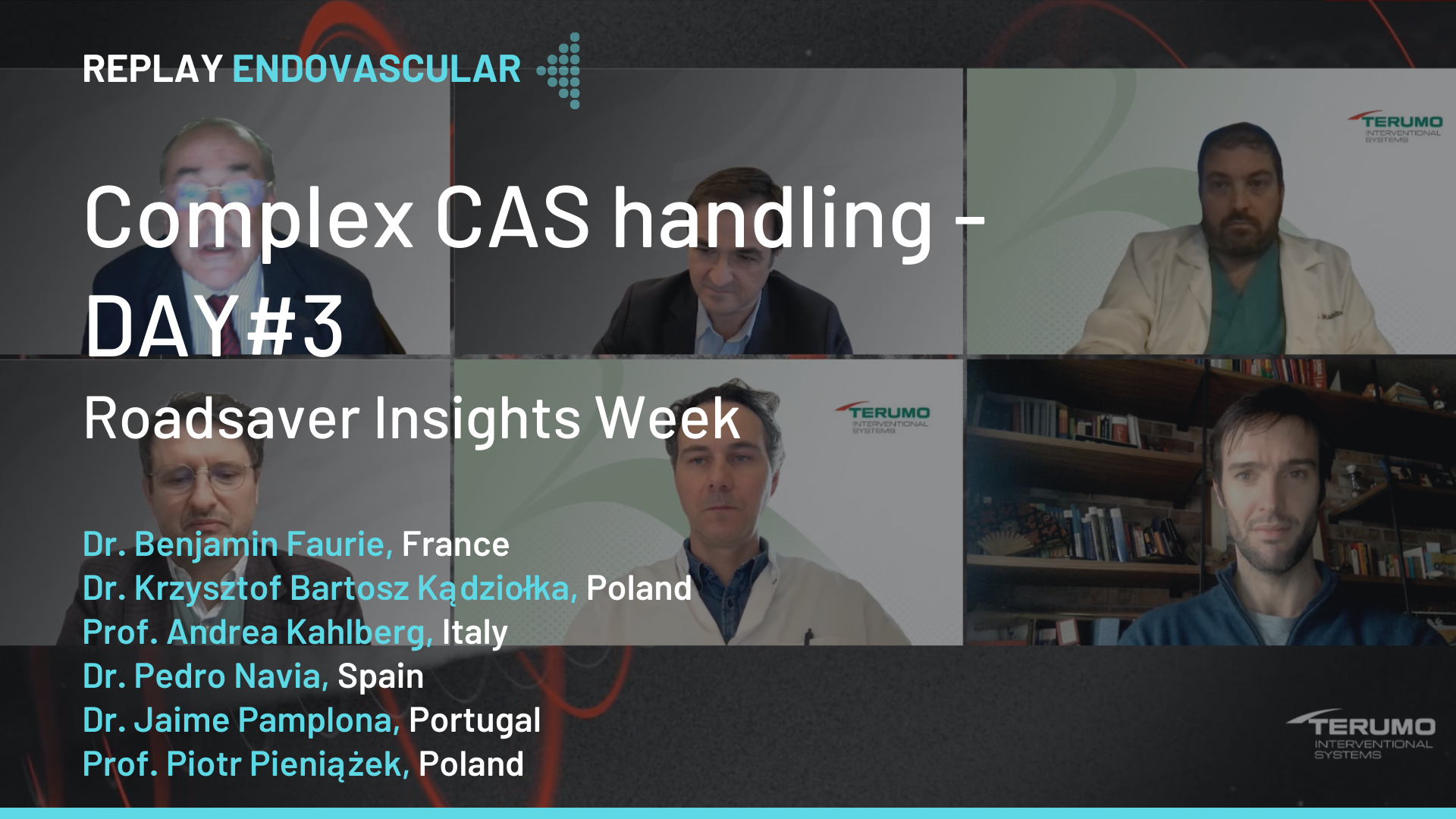
Complex CAS handling
Roadsaver TM Insights Week: Celebrating a Decade of CAS Advances
Share
Thursday, February 13th 2025 from 05pm to 06pm (GMT+1)
Honolulu : Thursday, February 13th 2025 from 06am to 07am (GMT+1)
San Francisco : Thursday, February 13th 2025 from 08am to 09am (GMT+1)
New York : Thursday, February 13th 2025 from 11am to 12pm (GMT+1)
Buenos Aires : Thursday, February 13th 2025 from 01pm to 02pm (GMT+1)
London / Dublin : Thursday, February 13th 2025 from 04pm to 05pm (GMT+1)
Paris / Berlin : Thursday, February 13th 2025 from 05pm to 06pm (GMT+1)
Istanbul : Thursday, February 13th 2025 from 06pm to 07pm (GMT+1)
Moscou / Dubaï : Thursday, February 13th 2025 from 08pm to 09pm (GMT+1)
Bangkok : Thursday, February 13th 2025 from 11pm to 12am (GMT+1)
Shanghai : Friday, February 14th 2025 from 12am to 01am (GMT+1)
Tokyo : Friday, February 14th 2025 from 01am to 02am (GMT+1)
Sydney : Friday, February 14th 2025 from 02am to 03am (GMT+1)
Wellington : Friday, February 14th 2025 from 04am to 05am (GMT+1)
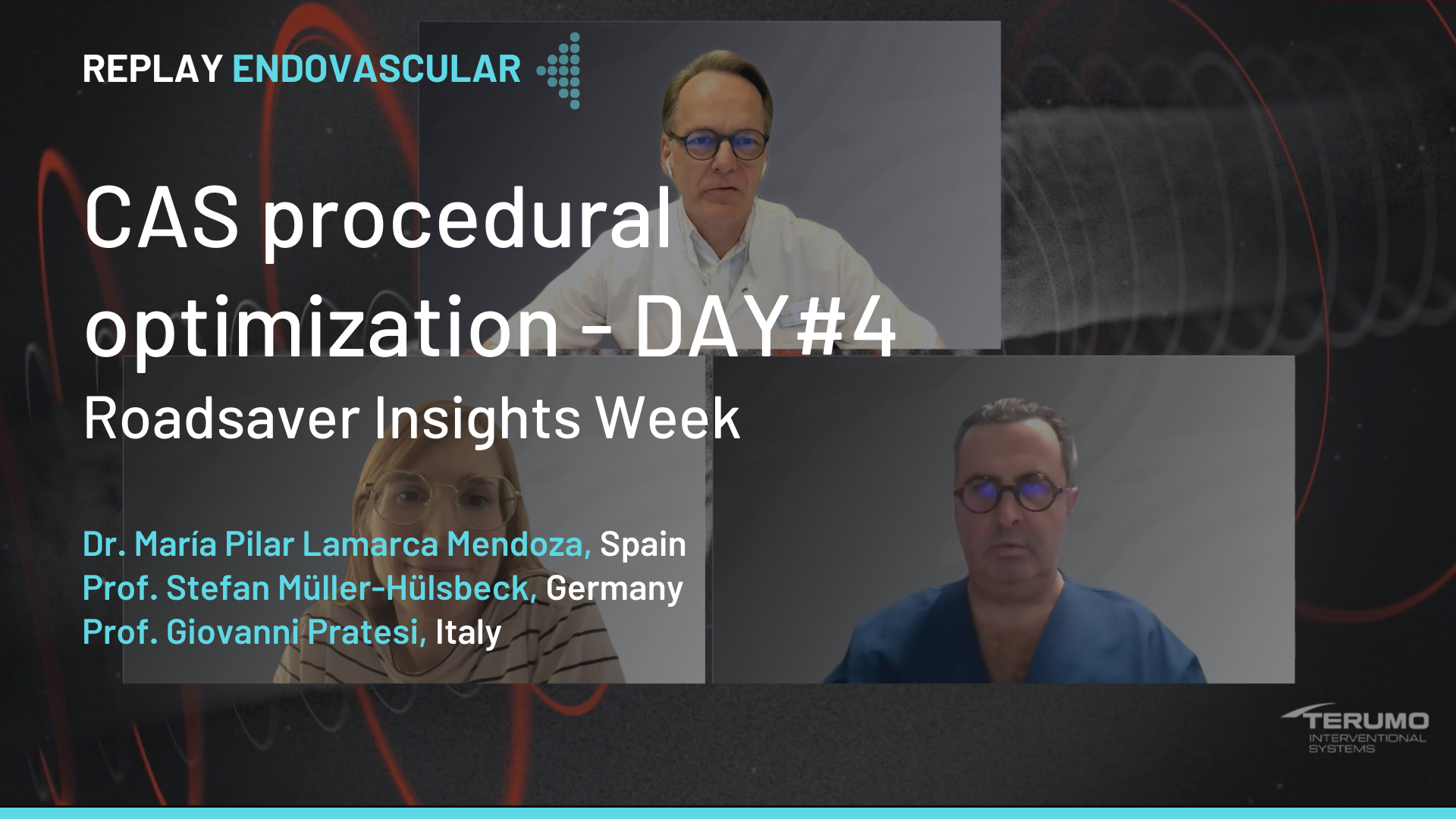
CAS procedural optimization
Roadsaver TM Insights Week: Celebrating a Decade of CAS Advances
Share
Friday, February 14th 2025 from 05pm to 06pm (GMT+1)
Honolulu : Friday, February 14th 2025 from 06am to 07am (GMT+1)
San Francisco : Friday, February 14th 2025 from 08am to 09am (GMT+1)
New York : Friday, February 14th 2025 from 11am to 12pm (GMT+1)
Buenos Aires : Friday, February 14th 2025 from 01pm to 02pm (GMT+1)
London / Dublin : Friday, February 14th 2025 from 04pm to 05pm (GMT+1)
Paris / Berlin : Friday, February 14th 2025 from 05pm to 06pm (GMT+1)
Istanbul : Friday, February 14th 2025 from 06pm to 07pm (GMT+1)
Moscou / Dubaï : Friday, February 14th 2025 from 08pm to 09pm (GMT+1)
Bangkok : Friday, February 14th 2025 from 11pm to 12am (GMT+1)
Shanghai : Saturday, February 15th 2025 from 12am to 01am (GMT+1)
Tokyo : Saturday, February 15th 2025 from 01am to 02am (GMT+1)
Sydney : Saturday, February 15th 2025 from 02am to 03am (GMT+1)
Wellington : Saturday, February 15th 2025 from 04am to 05am (GMT+1)
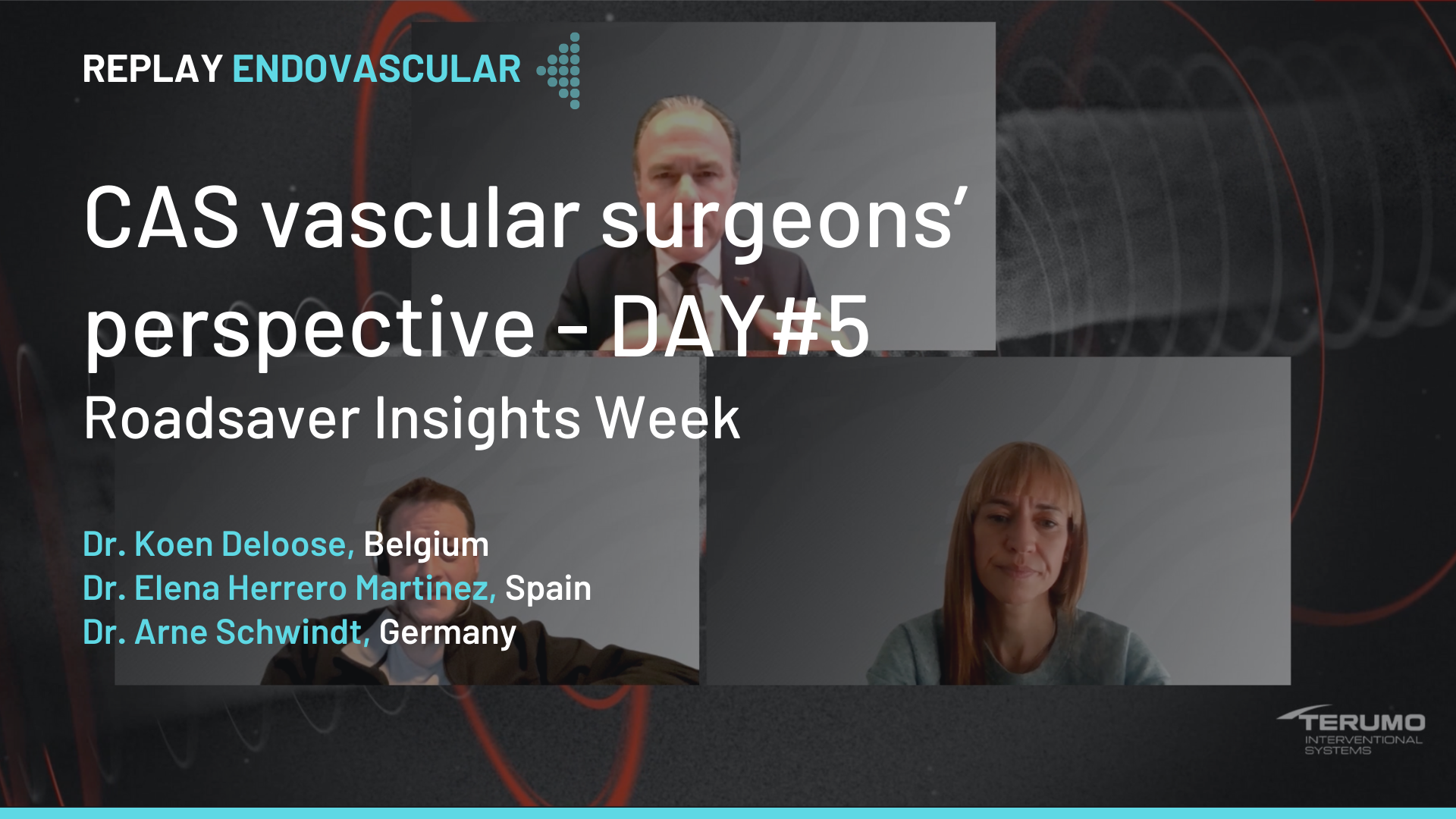
CAS vascular surgeons' perspective
Roadsaver TM Insights Week: Celebrating a Decade of CAS Advances
Share
Hady L.
I am impressed that you can place a long 6 F sheath in the radial artery which has an outer diamter equivalent to an 8F guiding catheter, without having radial artery spasm or post-procedure occlusion (despite adequate sedation, vasodilators and anticoagulation). The short 6 F Terumo sheaths that we use for coronary interventions don't have this risk because they are very short.
I did not see that you did a radial angiogram before you introduced the long sheath. From your experience, have you had severe radial vasoconstriction specifically in women depsite adequate vasodilation and anticoagulation? What do you recommend if there is a lot of resistance while pulling the long sheath out?
Because of this frequent problem in women I have switched to a brachial approach to treat similar proximal subclavian arteries.
Thank you.
Hady Lichaa, MD
The Greenville clinic
Greenville, Mississippi, USA